
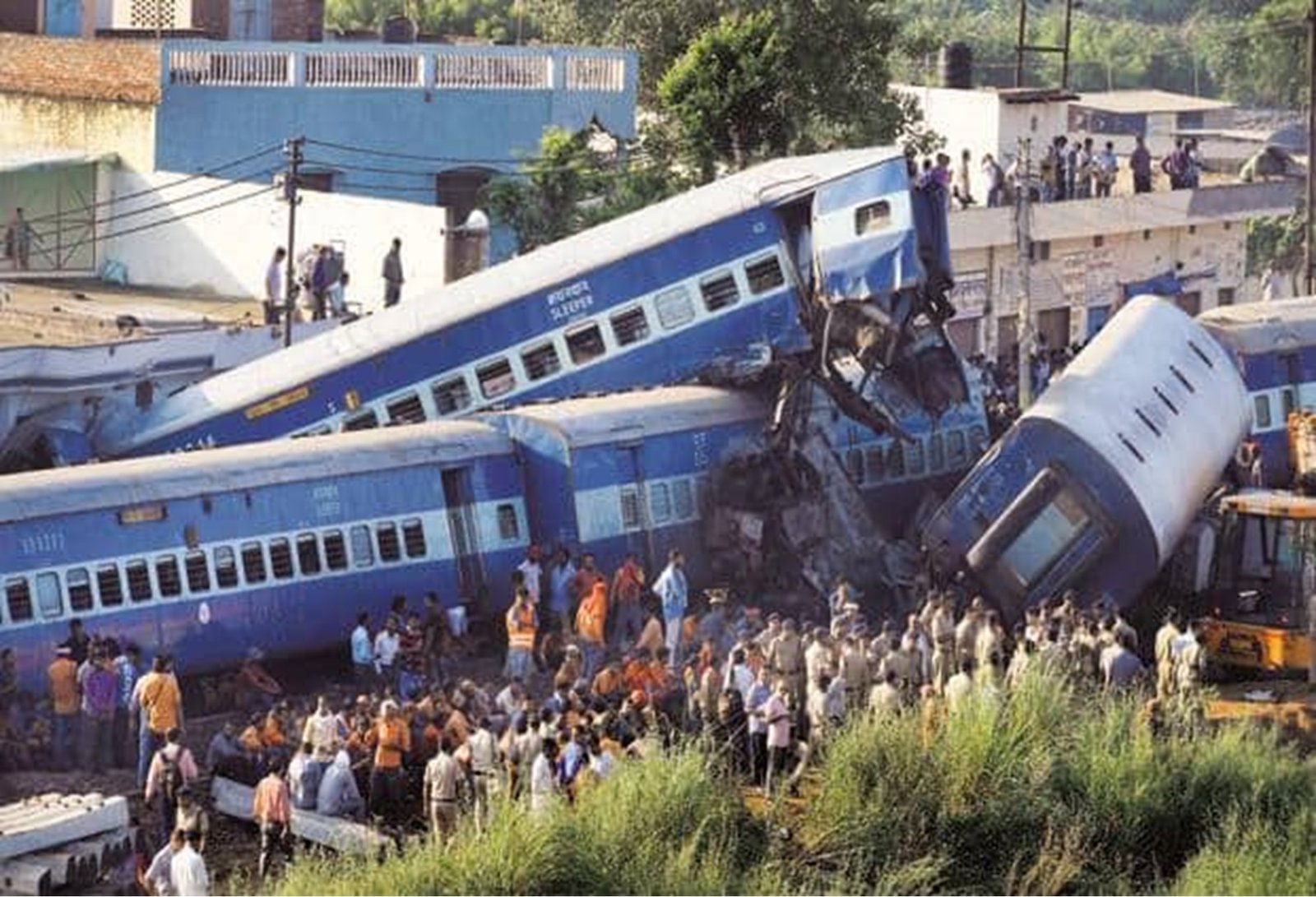
Railway Accidents Reduce Drastically in the Last Decade Leave a comment
The Indian Railways has recently achieved a significant milestone in enhancing the safety of its operations. According to Ashwini Vaishnaw, the country’s Railway Minister, the number of railway accidents has dropped substantially over the past decade. This article delves into the details, explores factors contributing to this decline, and examines future safety measures to ensure ongoing improvement.
Staggering Decline in Railway Accidents
In a remarkable achievement, the Indian Railways has reduced the number of accidents from a staggering 171 incidents per year to just 40 over the last ten years. This achievement is noteworthy not only for the drastic decline in numbers but also for the improved safety and reliability of one of the world’s largest railway networks.
Key Factors Contributing to the Decline
Several factors have played a crucial role in reducing the number of railway accidents in India. Some of these factors include:
- Technological Advancements: The implementation of state-of-the-art technologies like the Train Collision Avoidance System (TCAS) and advanced signaling systems have been instrumental in averting potential accidents.
- Upgraded Infrastructure: The modernization of tracks, bridges, and stations has significantly enhanced overall safety.
- Improved Training and Workforce Management: Continuous and comprehensive training programs for railway staff have ensured better handling of equipment and crisis situations.
- Strict Safety Protocols: Adherence to stringent safety protocols and regular audits have ensured compliance with safety standards.
- Public Awareness Campaigns: Efforts to educate the public on railway safety measures have reduced incidents caused by human error.
Noteworthy Safety Initiatives
The Indian Railways has introduced several initiatives that have had a profound impact on reducing accidents. Some of these initiatives include:
Train Collision Avoidance System (TCAS)
The TCAS technology is a flagship project aimed at preventing collisions between trains. By using this system, the Railways have been able to monitor and control train movements with higher precision, thereby significantly reducing the risk of accidents.
Track Modernization Projects
One of the major initiatives towards enhancing rail safety has been the modernization of tracks. This includes replacing old tracks with new and more durable ones, and using advanced technology for track maintenance.
Strengthening of Bridges
Upgrading and strengthening infrastructure, particularly railway bridges, has been a focal point for enhancing safety. The Railways have invested significantly in ensuring that all bridges are robust and capable of handling increased loads and traffic.
Intensive Training Programs
Continuous skill development and training programs for railway employees have equipped them to handle modern equipment efficiently and to effectively manage emergency situations. This focus on human resource development has played a vital role in accident reduction.
Future Plans for Enhancing Safety
While the decline in railway accidents is commendable, the Indian Railways is committed to further enhancing safety standards. Some of the future plans include:
- Expansion of TCAS: The Railways plans to expand the deployment of TCAS across more routes.
- Introduction of AI and IoT: Integrating artificial intelligence and the Internet of Things into the rail network for better monitoring and predictive maintenance.
- Enhanced Passenger Safety Measures: Implementing more safety-oriented passenger amenities and facilities.
- International Collaborations: Partnering with international rail operators to learn and adopt best practices in rail safety.
- Freight Train Safety: Specific programs focusing on the safety of freight trains to prevent derailments and mishaps.
The Role of Public Participation
Public participation and awareness are crucial to the success of safety initiatives. The Indian Railways has been proactive in involving the public through:
- Safety Awareness Campaigns: Ongoing campaigns to educate the public on safe railway practices.
- Community Engagement Programs: Involving local communities in maintaining safety around railway tracks.
- Reporting Mechanisms: Introducing easy and accessible mechanisms for the public to report safety hazards.
Conclusion
The remarkable reduction in railway accidents over the last decade is a testament to the concerted efforts of the Indian Railways in enhancing safety. By leveraging technological advancements, upgrading infrastructure, and prioritizing workforce training, the Railways have set a new benchmark in operational safety. Moving forward, continued focus on innovation and public participation will play a pivotal role in sustaining and further improving these safety standards. With a clear vision and robust plans, the Indian Railways is on the right track to becoming one of the safest rail networks globally.
For the latest updates and more in-depth reports on railway safety, follow our blog. Stay informed and travel safely!
“`