
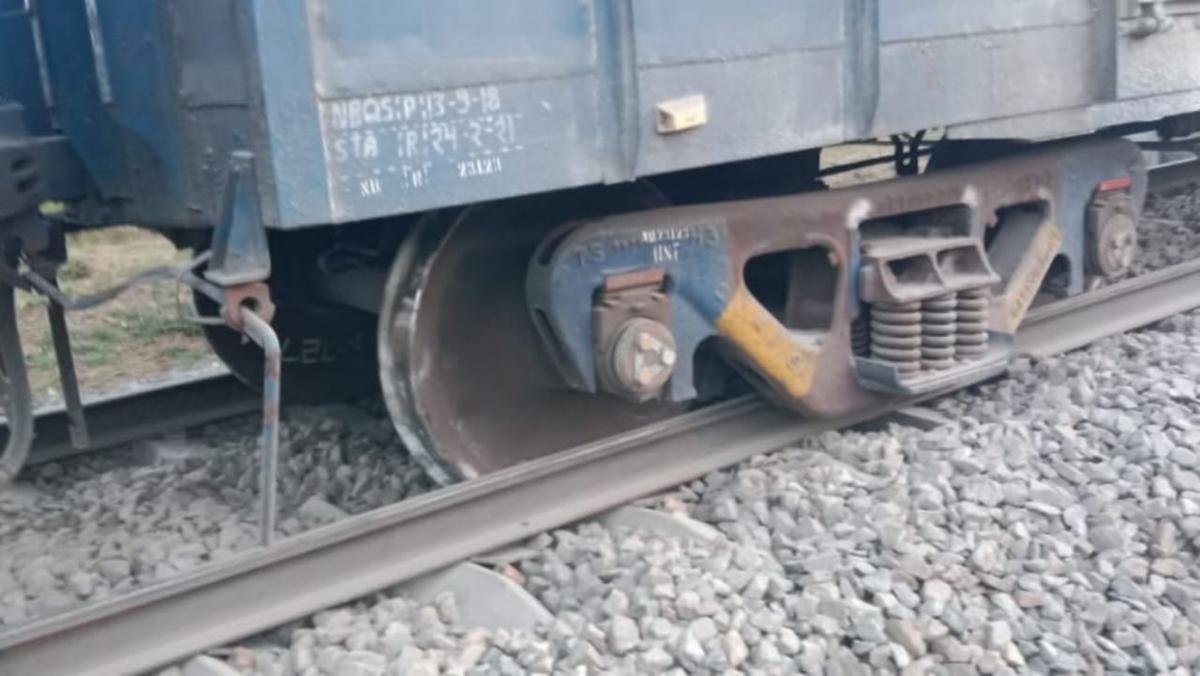
Rail Traffic Resumes in MP After Ratlam Division Derailment Leave a comment
The Western Railway’s Ratlam Division in Madhya Pradesh witnessed a swift restoration of rail traffic following a goods train derailment. The incident temporarily disrupted services, causing delays and inconvenience. However, efficient crisis management and rapid response ensured that normalcy was restored without significant delay, minimizing the impact on both passenger and freight services.
Understanding the Incident: What Happened?
The derailment occurred in the early hours of a bustling Thursday, affecting the busy Ratlam Division. A goods train, carrying significant cargo, derailed, resulting in multiple wagons going off track. **Railway officials swiftly mobilized**, ensuring safety protocols were strictly followed to prevent any major mishaps or injuries.
Key Details of the Incident:
- Date and Time: The derailment happened on a Thursday morning, disrupting the peak travel time for many commuters.
- Location: The incident took place in the **Ratlam Division**, a critical segment of the Western Railway zone.
- Cause: Preliminary investigations suggest a technical failure, though a detailed inquiry is underway to ascertain the exact cause.
Immediate Response: A Testament to Efficiency
Railway authorities were quick to respond, showcasing their crisis management acumen. Within hours of the derailment, repair teams were dispatched to the site with necessary equipment to begin restoration work.
Steps Taken by Officials:
- Emergency response teams secured the area to ensure no further accidents occurred.
- Comprehensive on-site assessments were conducted to evaluate damage and strategize repair efforts.
- **Specialized equipment** was deployed to re-rail the wagons and repair the affected track sections.
The collaborative efforts of the railway’s engineering, operations, and safety teams exemplified a well-coordinated response plan that prioritized safety and restoration of services.
Impact on Services: Managing Delays and Disruptions
Though the derailment caused significant disruptions, the impact on passenger services was **quickly managed**. Several passenger trains were delayed, and a few rerouted to minimize inconvenience. Freight services experienced temporary halts, which were efficiently managed to prevent further backlog.
Actions Taken to Mitigate Disruption:
- Passengers were provided timely updates on train schedules through digital platforms and station announcements.
- Alternative travel arrangements were facilitated for those significantly affected.
- **Maintenance teams** worked round the clock to ensure the rapid reopening of the affected track.
Swift Restoration: How Normalcy Was Achieved
Thanks to the unyielding commitment of railway staff, normal operations were largely restored faster than projected. The re-railing of the derailed wagons and repair of the track were completed within a day, highlighting the efficiency of the teams on-ground.
Restoration Highlights:
- A seamless collaborative effort between different railway departments accelerated the restoration process.
- Continuous updates to government authorities ensured transparent communication and accountability.
- The adoption of modern technology for **monitoring and management** played a pivotal role in expediting repairs.
Future Measures: Strengthening Railway Safety and Efficiency
Following this incident, Western Railways is committed to fortifying its measures for safety and efficiency. It plans to deploy **enhanced monitoring systems** and improve existing infrastructure to prevent future derailments and minimize risks.
Planned Safety Enhancements:
- Implementation of real-time tracking systems for freight and passenger trains.
- Regular maintenance and safety audits of critical track sections and equipment.
- **Training programs** for railway staff on emergency preparedness and risk management.
These initiatives underscore the commitment of Western Railways to not just solve immediate challenges but also proactively mitigate future risks, aiming for an elevated standard of service delivery.
Conclusion
The Western Railway’s effective handling of the Ratlam Division derailment serves as a powerful testament to their operational capabilities and crisis management strategies. Though the incident posed significant challenges, the **proactive approach** employed by the railways ensured minimal disruption and quick resumption of services.
This incident has not only tested but also strengthened the state’s resolve in providing safe, efficient, and reliable rail transportation. It underscores the necessity for continuous improvement and innovation within rail operations, thus ensuring readiness in the face of unforeseen disruptions.
“`